









Project Overview
A mid-sized healthcare network operating multiple outpatient clinics and diagnostic centers faced persistent scheduling inefficiencies. Appointment no-shows, uneven patient loads, and limited visibility into resource utilization created long wait times and underused clinical capacity. Staff scheduling was largely reactive, leading to burnout during peak hours and idle resources during low-demand periods.
The organization sought a predictive analytics solution that could forecast patient demand, optimize appointment scheduling, and improve allocation of clinical staff and facilities without disrupting ongoing patient care.
Challenges & Constraints
The healthcare provider faced several operational and regulatory challenges:
- High appointment no-show and last-minute cancellation rates
- Overcrowding during peak hours and underutilization during off-peak times
- Manual scheduling processes with limited forecasting capability
- Difficulty aligning staff availability with patient demand
- Limited real-time visibility into room, equipment, and clinician utilization
- Strict data privacy and healthcare compliance requirements
Any solution needed to maintain patient experience while ensuring compliance with healthcare data regulations.
Project Solution
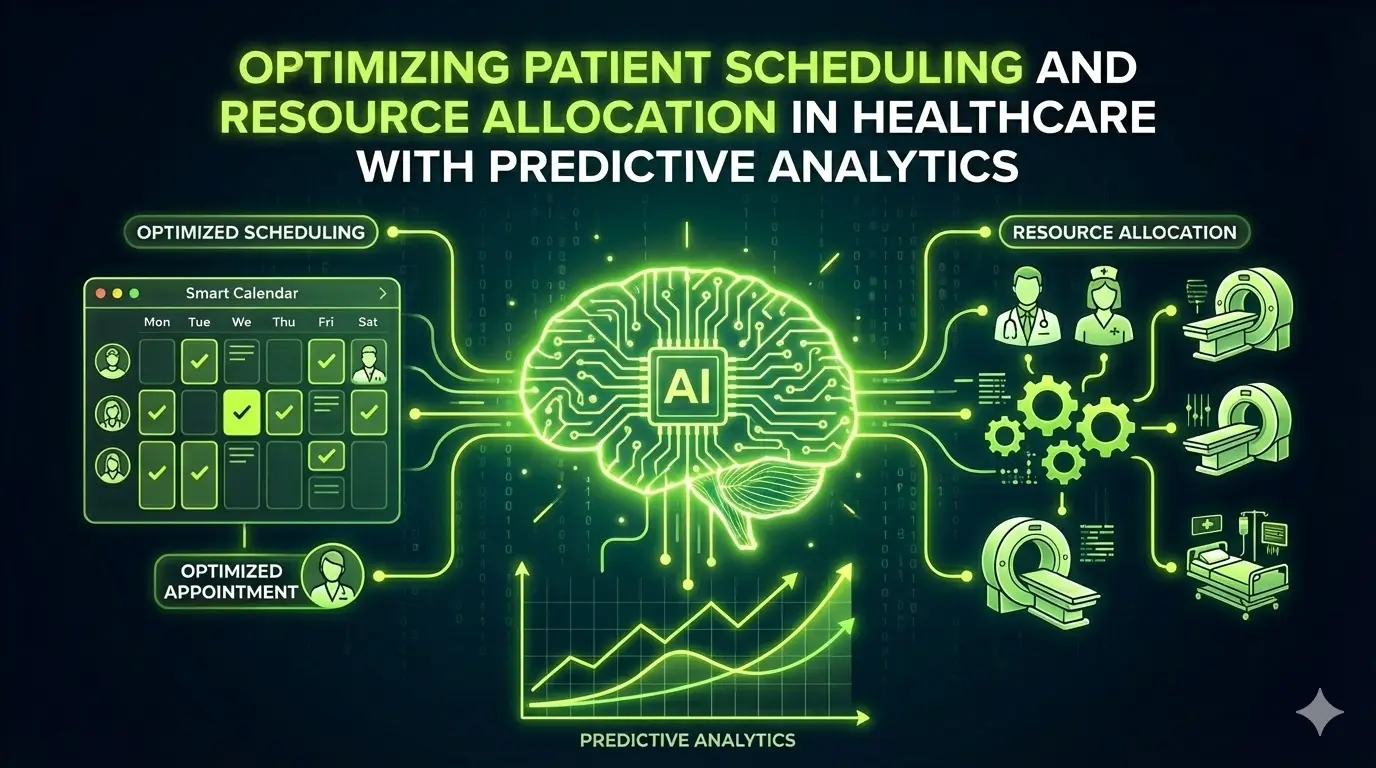
MindRind implemented a predictive analytics–driven scheduling and resource optimization platform that analyzed historical appointment data, patient behavior patterns, seasonal trends, and clinician availability. The system generated demand forecasts and actionable scheduling recommendations to balance patient flow and resource usage.
Key solution components included:
- Predictive patient demand forecasting by clinic and specialty
- No-show risk prediction to support overbooking strategies
- Dynamic appointment slot optimization
- Staff and room utilization forecasting
- Real-time dashboards for operations and scheduling teams
This enabled proactive scheduling decisions rather than reactive adjustments.
0
%
Client Satisfaction Rate
Our Approach
Data Assessment & Normalization
Appointment records, attendance history, staff schedules, and facility data were consolidated and standardized across clinics.
Demand Modeling & Feature Engineering
Key predictors such as appointment type, patient history, time of day, seasonality, and clinic location were incorporated into forecasting models.
Predictive Model Development
Models were trained to forecast patient volumes and identify high no-show risk appointments with accuracy across multiple time horizons.
System Integration
The analytics platform was integrated with existing scheduling and clinical systems using secure APIs.
Monitoring & Continuous Optimization
Forecast accuracy and operational metrics were continuously monitored, with regular refinements supported by MindRind to adapt to evolving patient behavior.
Technologies Used
- Python
- Predictive analytics frameworks
- Time-series forecasting models
- Secure data pipelines
- REST APIs
- Interactive operational dashboards
Results
- 33% reduction in patient wait times
- 27% improvement in clinician and room utilization
- Significant decrease in appointment no-shows
- More balanced patient distribution throughout the day
- Reduced staff overtime and scheduling conflicts
Client Impact
The predictive scheduling system transformed how the healthcare network managed patient flow and resources. Clinics gained visibility into future demand, enabling better staffing decisions and smoother patient experiences. By aligning capacity with demand, the organization improved operational efficiency, reduced staff strain, and delivered more timely care without increasing costs.
Let's Address Your Questions Today!
Predictive analytics identifies demand patterns and no-show risks, enabling clinics to schedule appointments more accurately and reduce congestion.
Yes. By predicting no-show likelihood, the platform supports smarter overbooking and reminder strategies that minimize unused appointment slots.
Absolutely. The system supports forecasting at clinic, department, and specialty levels, making it suitable for multi-location healthcare networks.
By forecasting patient volume, staffing schedules can be aligned more precisely with demand, reducing both understaffing and overstaffing.
Yes. The solution follows strict data security practices and aligns with healthcare privacy and compliance requirements.
The platform integrates via secure APIs with scheduling, clinical, and administrative systems already in use.
Most clinics begin seeing measurable improvements in scheduling efficiency and wait times within weeks of deployment.
No. The platform continuously learns from new data, reducing manual intervention while maintaining accuracy over time.
Project Name
Patient Scheduling & Resource Management in Healthcare
Category
AI Solutions
Duration
3 Months
