What do your back-end development services include?
Our back-end development services cover architecture, API design, microservices, data modeling, storage, caching, CI/CD, security, observability, and performance engineering. We implement REST or GraphQL, integrate third parties, and build data pipelines for analytics. As a back-end development company, we also provide documentation, runbooks, and knowledge transfer so your team confidently owns the system post launch.
Which technologies and frameworks do you use for a back-end development service?
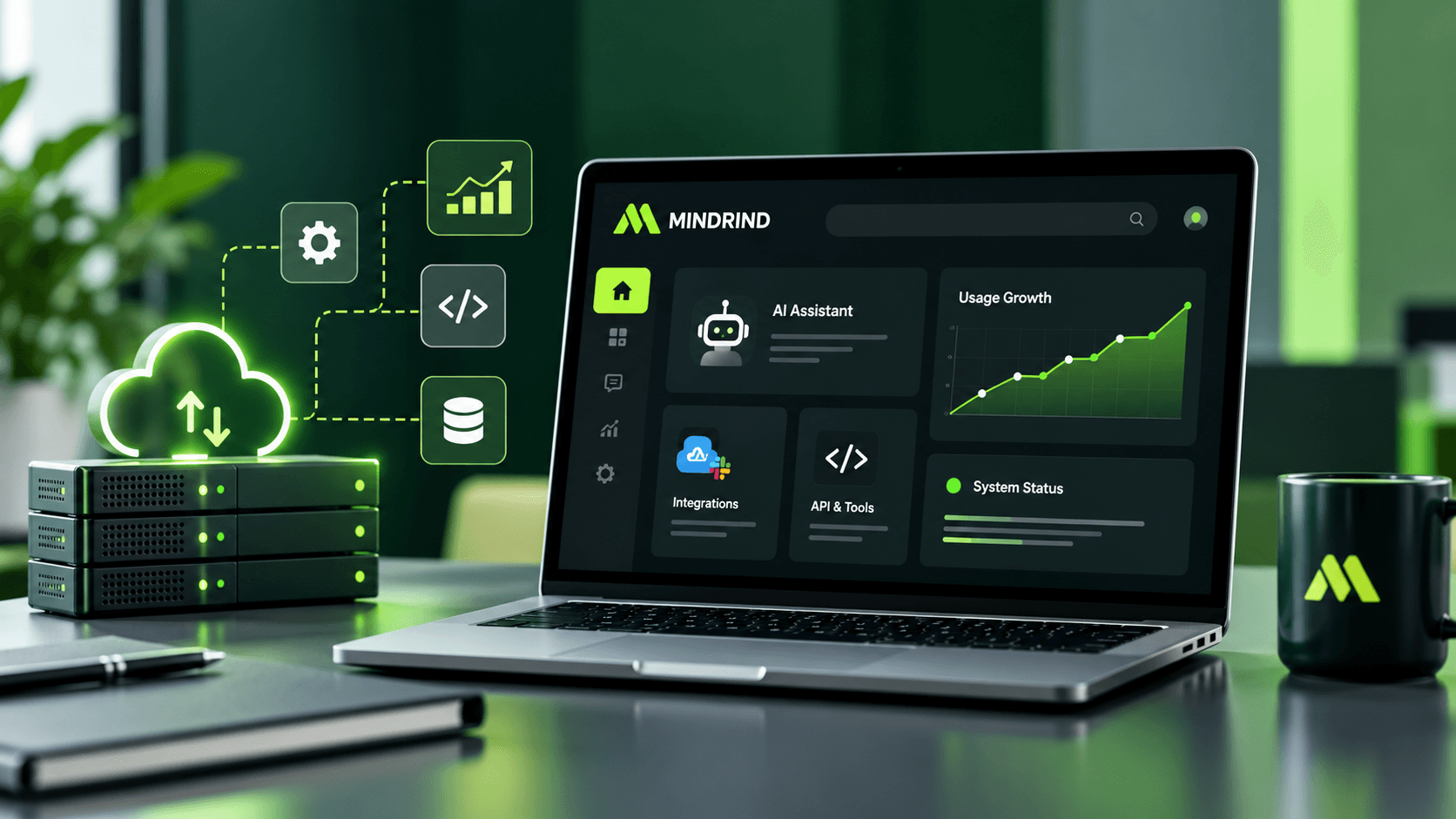
We use Node.js with TypeScript, Java or Kotlin with Spring Boot, Go for high concurrency, and Python for data heavy workloads. Frameworks include NestJS, Express, FastAPI, Micronaut, and gRPC. Datastores range from Postgres and MySQL to DynamoDB and Redis. We automate deployments with Kubernetes, Terraform, and GitHub Actions on AWS, GCP, or Azure.
How do you ensure scalability and performance as a back-end development company?
We design to measurable SLOs, establish capacity baselines, and instrument services with OpenTelemetry. Caching tiers, connection pooling, batching, and asynchronous processing reduce latency and cost. We run load and chaos tests, remove bottlenecks such as N+1 queries, and configure autoscaling policies tied to business metrics so the platform scales predictably.
How do you secure systems and meet compliance in your back-end systems development service?
Security is embedded into our SDLC. We use least privilege IAM, secrets management, encryption in transit and at rest, and continuous dependency scanning. For compliance, we map controls to SOC 2, ISO 27001, HIPAA, PCI, and GDPR with evidence collection and policy as code. Our audits and runbooks streamline assessments for your stakeholders.
Can you modernize our legacy monolith without disrupting operations?
Yes. We start with a strangler fig approach, introducing seams around stable domains, then incrementally extract services with contract tests and data synchronization. We maintain service level agreements and progressive rollouts to avoid downtime. Our goal is to reduce risk while improving reliability, feature velocity, and maintainability across your stack.
How do you integrate with third parties and internal systems?
We design stable, versioned contracts and use gateways for throttling, auth, and observability. For partner APIs, we build robust retry and idempotency strategies, DLQs, and sandbox environments. Internally, we align on synchronous and asynchronous patterns, map error flows, and create SDKs to improve developer experience and reduce integration friction.
What engagement models and pricing do you offer for a back-end development service?
We offer fixed scope projects for well defined outcomes, dedicated squads for ongoing roadmaps, and team augmentation to fill skill gaps. Pricing aligns with the engagement model and complexity. Every proposal details milestones, NFRs, and acceptance criteria. We prioritize transparency, incremental delivery, and cost control, including cloud cost visibility from the start.
What does support and maintenance look like after launch?
We provide support SLAs with incident response, SLO tracking, dependency updates, security patches, and performance tuning. Our teams monitor golden signals, maintain dashboards, and iterate on automation to reduce toil. We also partner on roadmap development, capacity planning, and architectural evolution so your platform continues to meet business goals as it grows.